
Oregonians are looking for change
“I was bewildered when I received my rheumatology bill and saw an $88 ‘Treatment or Observation Room’ charge and the EOB explained the charge was not covered. This was in addition to my $40 copay….Chasing down nonsense facility fees that make health systems more money without benefiting patients is not where we should be spending our limited time, energy and focus.”
– K.G., Portland resident
Oregonians are currently completely unprotected from hidden and unfair medical fees that increase the high amount of money people already spend to access the care they need. People across the state, regardless of geography, race, ethnicity, party affiliation, or health insurance coverage are ready for change.
Oregonians overwhelmingly support fairer and more transparent hospital billing. Nearly all voters – including 93% of Democrats and 90% of Republicans – believe hospitals should provide up-front cost estimates to consumers. Three in four voters support legislative action to ban these hidden fees charged by large corporate hospitals.
3 in 4
Oregon voters support legislative action to ban hidden fees charged by large health systems for medical care.

Other states have taken action
Other states have taken action to ban and address surprise facility fees that prevent Oregonians from making informed decisions and leave them with massive bills and often medical debt. Our state legislators must follow in their footsteps and take action so that Oregon — and Oregonians — aren’t left behind.
Oregon policymakers should take action to:
- Lower costs by prohibiting hospitals from charging you hidden facility fees for routine services in outpatient clinics;
- Make your medical bills more transparent by requiring hospitals to tell you up front if you will be charged one of these fees;
- Require data collection to help monitor which large corporate hospital systems are charging unfair fees.
By passing SB 539, Oregon would join the 18 other states that have successfully passed legislation to protect patients from hidden medical fees.

Protect Oregonians from Unfair Fees
Oregonians deserve fair, transparent health care, but unfair facility fees are standing in the way. If legislators act to protect Oregonians from these unfair fees, Oregonians will:

Save Money on Health Care
Eliminate unexpected and expensive hidden fees.

Take Control of Their Own Care
Require more transparency around their hospital bill.

Get Healthier
See their provider when they need to without worrying about how they are going to pay for it.
Resources
-
Fact Sheet:
Protecting People from Hidden, Out-of-Pocket Medical FeesGet the facts on how new legislation will protect Oregonians from being ripped off by hidden medical fees.
-
Frequently Asked Questions:
Hidden Medical Fees in OregonFind the answers about hidden medical fees, how they could impact you, and other frequently asked questions.
-
The True Price of Health Care:
How are Hidden Medical Fees Impacting Oregonians?Recent survey results provide insight into the struggle with high health care costs that Oregonians are facing and highlight our support for government action to require fairer and more transparent hospital billing.

“It would be great if we could push for more transparency. There are standard costs for procedures, but hospitals charge whatever they want. It would be better if hospitals were required to charge what things actually cost, instead of just assigning arbitrary prices.”
– Portland Resident
Take Action:
Tell your lawmaker to protect Oregonians from hidden medical fees!
We’re fighting to ban hidden medical fees, but we need your help. Tell your legislator we must protect people from these hidden fees now!
Supporters
Oregonians Against Hidden Medical Fees is a campaign working to lower health care costs for people in Oregon by limiting hidden fees tacked on to routine medical procedures.








In The News
-
The Oregonian

-
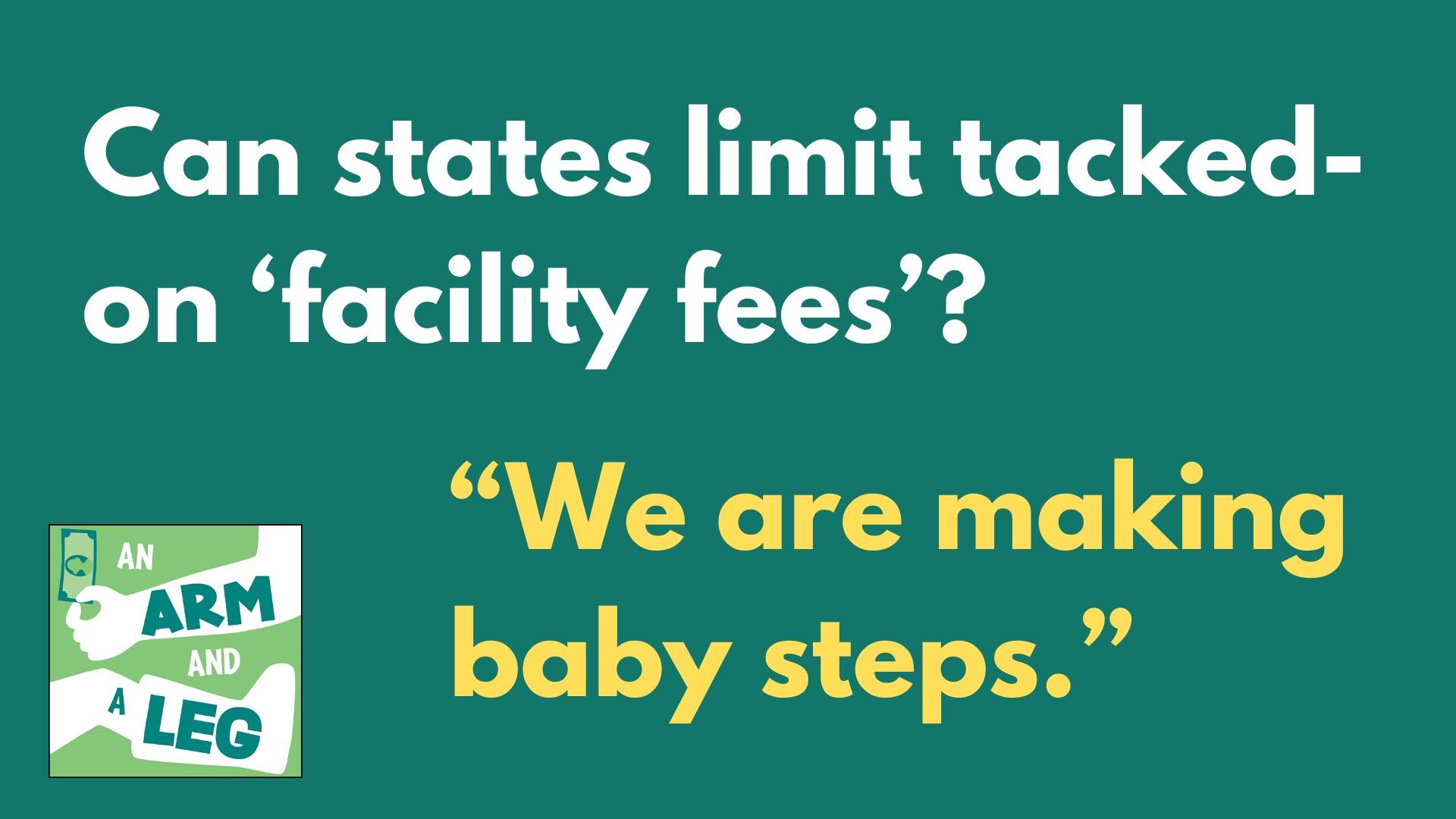
An Arm and a Leg Podcast
-
The Lund Report